
Why Healthy Gums Are the Secret to Long-Lasting Dental Implants
Source:
Dr. Marketing
Dental implants are often considered one of the most reliable solutions for replacing missing teeth. They look natural, function similarly to natural teeth, and can last for many years when properly cared for. Because implants cannot develop cavities, many patients assume that once treatment is complete, maintenance becomes less important.
In reality, the opposite is true.
While the implant itself cannot decay, the gums and bone that support it remain vulnerable to inflammation, infection, and disease. Without proper maintenance, these supporting structures can become compromised, potentially affecting the long-term success of the implant. At North Mankato Family Dentistry, one of the most common misconceptions we hear is that dental implants are maintenance-free. Understanding why professional implant cleaning matters is one of the most important steps patients can take to protect their investment and support long-term oral health.
Your Implant May Be Artificial, But Your Gums Are Not
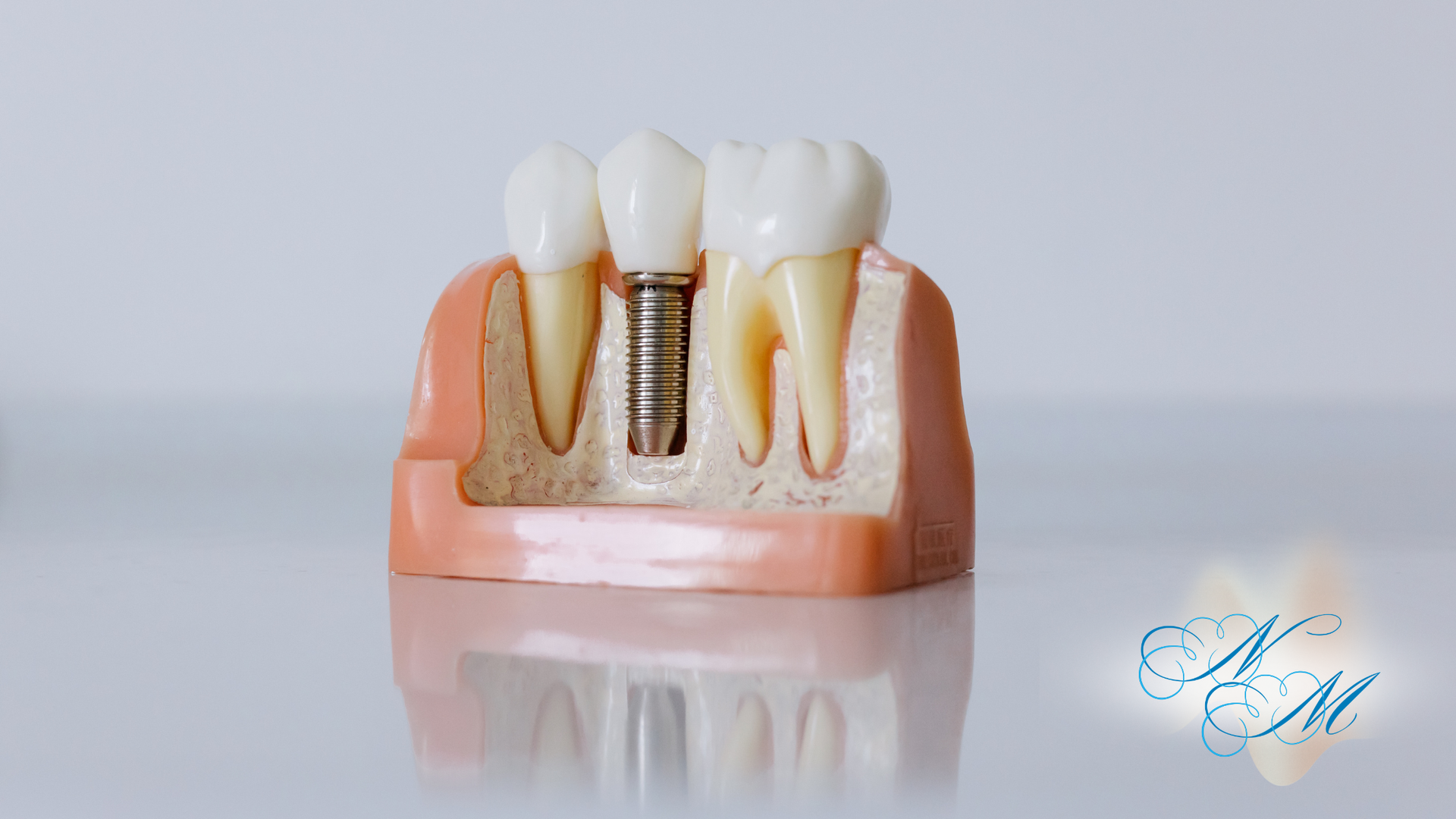
Dental implants are designed to replace the root of a missing tooth, but they still rely on healthy surrounding tissues for support. Just like natural teeth, implants exist in an environment where plaque and bacteria are constantly present. If these bacteria accumulate around the implant, they can irritate the surrounding gum tissue and create inflammation.
This condition often begins as peri-implant mucositis, which is similar to gingivitis around natural teeth. Patients may notice redness, swelling, tenderness, or bleeding around the implant. At this stage, the condition is often manageable when identified early. If inflammation is ignored, it can progress into peri-implantitis, a more serious condition involving bone loss around the implant. Since implants depend on healthy bone for stability, untreated bone loss can threaten the longevity of the restoration.
One of the challenges with peri-implant disease is that it often develops quietly. Unlike a cavity, which may eventually cause pain, inflammation around an implant can progress without obvious symptoms. Many patients do not realize there is a problem until significant damage has already occurred.
This is why routine monitoring and professional maintenance play such an important role in implant care.
Why Home Care Alone Is Not Always Enough

Daily brushing and flossing are essential, but even the most dedicated home care routine has limitations. Dental implants often contain areas that are more difficult to clean thoroughly than natural teeth. Depending on the type of restoration, plaque and bacteria can accumulate around the gumline, beneath implant-supported bridges, or in spaces that are difficult to access with traditional brushing and flossing techniques.
Over time, these bacterial deposits form biofilm, a sticky layer that can trigger inflammation if left undisturbed.
Many patients are surprised to learn that their implants may require specialized cleaning techniques and tools. Water flossers, interdental brushes, and other cleaning aids may be recommended to help maintain healthy tissues around the implant. However, even with excellent home care, certain areas simply cannot be cleaned as effectively without professional assistance.
At North Mankato Family Dentistry, we often explain to patients that home care and professional maintenance work together. One does not replace the other. Both are necessary to support long-term implant success.
What Happens During a Professional Implant Cleaning?
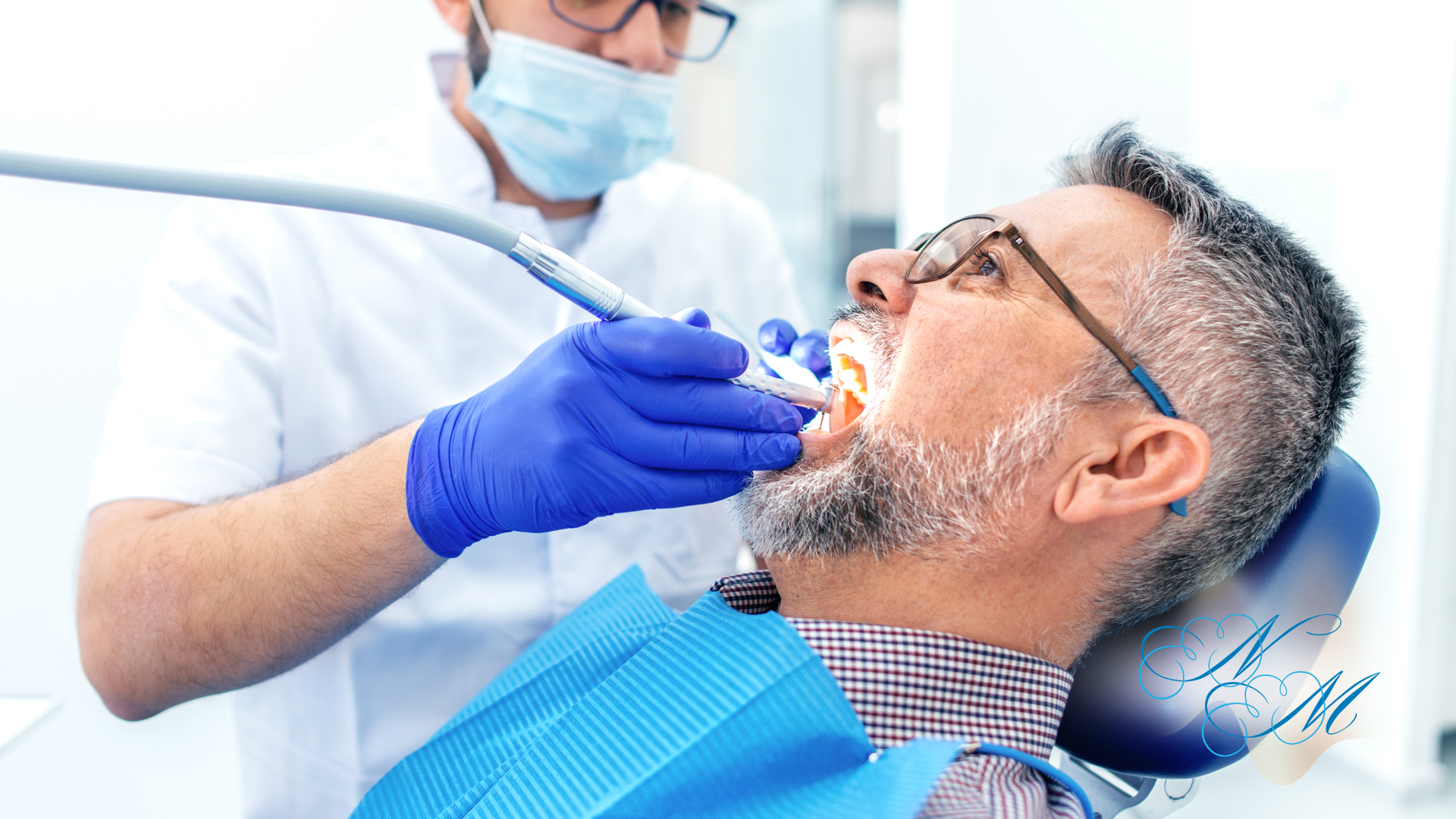
Professional implant maintenance involves much more than polishing teeth. During these appointments, the health of the implant and surrounding tissues is carefully evaluated. The gums are examined for signs of inflammation, bleeding, recession, or pocket formation. The stability of the implant restoration is assessed, and any concerns regarding bite pressure or wear can also be identified.
Professional cleaning around implants requires specialized instruments designed to remove plaque and biofilm without damaging the implant surface. Using inappropriate tools may scratch the implant or create areas where bacteria can accumulate more easily. These visits also provide an opportunity to identify problems early.
A small area of inflammation may be relatively simple to manage when detected promptly. Left untreated, that same issue could progress into a more significant concern requiring additional treatment. Regular maintenance appointments allow our team to monitor subtle changes over time and intervene before complications become more difficult to address.
Protecting Your Investment for the Long Term
Dental implants represent a significant investment in your smile, oral health, and quality of life. Most patients choose implants because they want a durable and long-lasting solution for missing teeth. While implants have an excellent success rate, their longevity depends heavily on ongoing care.
Patients often focus on protecting the visible restoration, but the real priority is protecting the tissues that support it. Healthy gums and stable bone are the foundation of long-term implant success. Certain warning signs should never be ignored, including:
- Bleeding around the implant
- Swollen or tender gums
- Persistent bad breath
- Gum recession near the implant
- Discomfort while chewing
- Changes in how the implant feels
These symptoms do not automatically indicate implant failure, but they do warrant professional evaluation. In addition to attending maintenance appointments, daily habits also play an important role. Consistent oral hygiene, avoiding tobacco products, staying hydrated, and addressing teeth grinding when necessary can all contribute to better implant health.
Many patients are surprised to learn that implants can often last for decades when properly maintained. The key is understanding that long-term success depends on ongoing care rather than simply the quality of the implant itself.
Healthy Implants Require Ongoing Care

Dental implants are one of the most successful restorative treatments available today, but their success does not end when treatment is completed.
Like natural teeth, implants require attention, maintenance, and professional monitoring. While they cannot develop cavities, the tissues supporting them remain susceptible to inflammation and disease. Regular professional implant cleanings help remove bacterial buildup, monitor gum and bone health, and identify potential concerns before they become more serious.
At North Mankato Family Dentistry, we believe implant maintenance is just as important as implant placement. Through regular professional care and strong home hygiene habits, patients can help protect their investment and enjoy the comfort, function, and confidence that dental implants are designed to provide. If you have dental implants or are considering implant treatment, scheduling regular maintenance visits is one of the best ways to support long-term success and keep your smile healthy for years to come.
Share
Related Blogs